Carbon Monoxide Alarm Installation
- Licensed and insured in-house electricians
- 24/7 Response Team, Rapid Services.
- 100% service satisfaction guarantee
- Quality Materials & Service
- Specialising in all electrical work
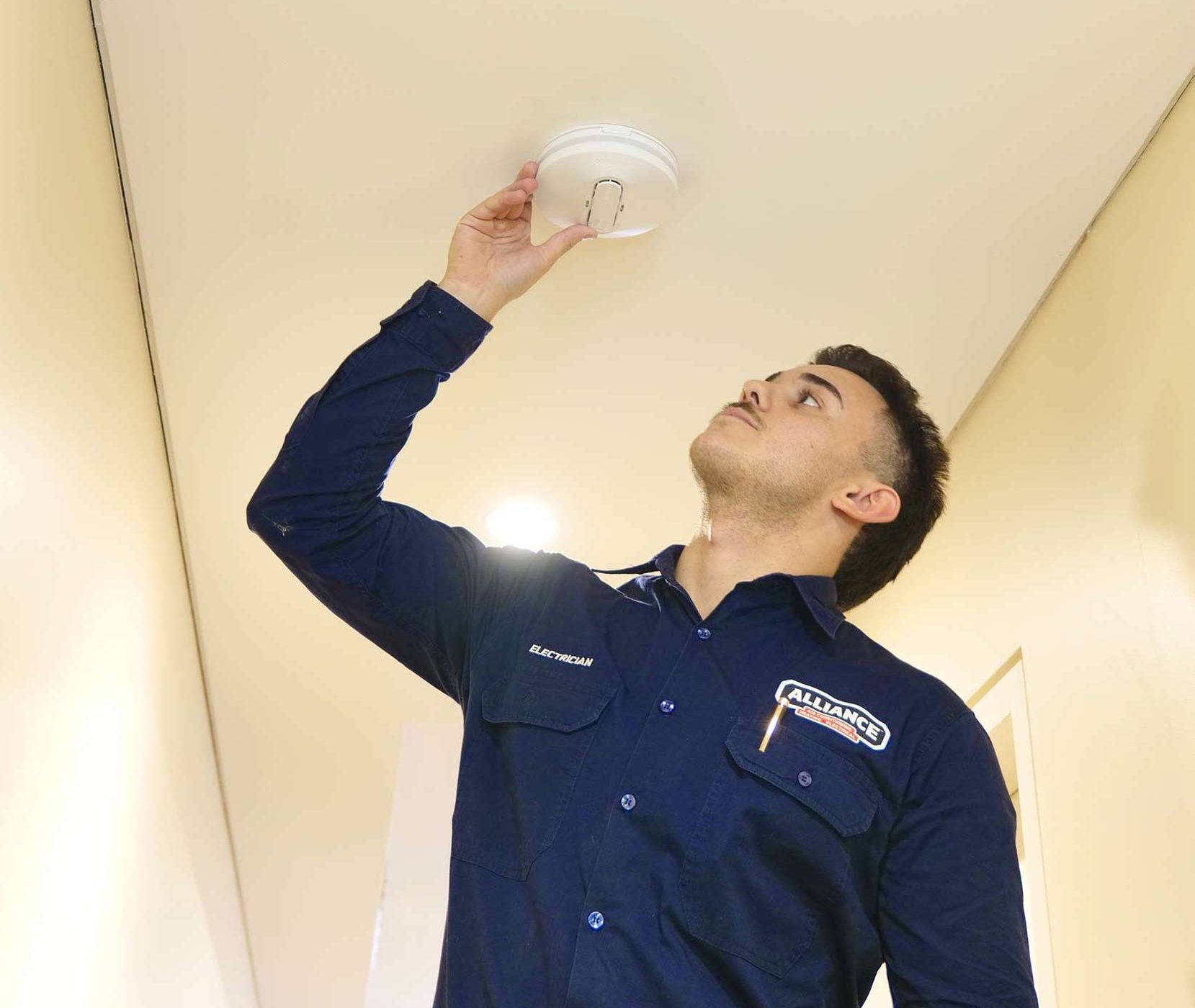
When it comes to installing a carbon monoxide alarm and protecting the people in your home, Electricians Sydney by Alliance (ESBA) is the team to trust.
With any hardwired electrical device, you need a qualified electrician to carry out the connection. That’s where we come in!
Carbon monoxide (CO) is a dangerous chemical gas that is produced by fuels that burn incompletely. These fuels are commonly used in everyday circumstances and household equipment and produce CO:
CO is odourless, colourless, and tasteless, making it impossible to detect without the appropriate device or equipment. This is why it is dubbed “the silent killer,” because people don’t realise they’re being affected by it until it’s too late.
The best way to protect yourself and others from CO is to have a carbon monoxide alarm installed in your home. Similar to a smoke alarm, a CO alarm will alert you to dangerous levels of CO in the space before physical symptoms are experienced. This helps keep your household safe.
As a part of the Alliance Climate Control family, Electricians Sydney by Alliance (ESBA) has extensive experience conducting CO alarm installations. With a hardwired device, you don’t have to worry about battery changes, and you have round the clock detections.
To have a CO alarm installed, call ESBA on (02) 8331 6785 or book an appointment online.
Carbon monoxide is produced by a variety of household items. Household appliances and tools such as:
All produce carbon monoxide. While dangerous levels are rare in Australian homes, leaks and unregulated levels can still occur if proper precautions aren’t taken. Especially in the winter, when gas heaters and indoor fireplaces are in use regularly. Garages and workspaces are also common sites of harmful CO levels because tools, equipment, motors, and cars are in use in a compact, enclosed space with little ventilation.
Proper ventilation throughout your home can be a simple way to prevent hazardous CO buildup. A carbon monoxide alarm can warn you if levels become dangerous. Testing for carbon monoxide
Just like a smoke alarm, a CO alarm can be what stands between you and disaster. Call ESBA for a carbon monoxide alarm installation today on (02) 8331 6785 or book an appointment online.
High levels of carbon monoxide can be extremely dangerous. There are a variety of effects that carbon monoxide poisoning can cause, but the most prominent are the restriction of oxygen to the body and impaired brain function. Other symptoms mimic flu-like symptoms, including:
In serious cases, visual and auditory hallucinations can also occur and sometimes lead to neurological impairment and brain damage. While rare today, untreated carbon monoxide poisoning can even lead to death.
Everyone is susceptible to carbon monoxide poisoning, but some people are more vulnerable than others and can get sicker. These people are:
It’s important that if you are alerted to CO presence in your home or someone is exhibiting symptoms of poisoning, you call Triple Zero (000) immediately, particularly if they have fainted or lost consciousness. You should also:
To stay alert to potential carbon monoxide threats, contact ESBA for a proper installation of a carbon monoxide alarm. Call (02) 8331 6785 or book an appointment online.
A carbon monoxide alarm is simply that: a detector that alerts you to the presence of CO in your home. When it detects CO in the air, it will emit a loud beep. When this happens, you and your household should vacate the premises immediately. If safe to do so, you should also ventilate the space by opening windows and doors.
Australia doesn’t have specific standards surrounding carbon monoxide alarms for domestic premises, so when choosing one to install, be sure the device meets either the European (EN50291) or US (UL2034) standards.
Because carbon monoxide gas is evenly distributed throughout indoor air, your carbon monoxide alarms should be installed based on your ducting system. For underfloor ducts, they should be installed at about knee height. For ceiling ducts, ceiling-high installation is recommended, but you should avoid drafty areas or places close to windows.
Additionally, multiple alarms should be installed near all bedrooms and rooms where fuel-burning appliances are in use. The kitchen and bedrooms should be priority spaces. If you live in a multi-level house, there should be a detector on every level.
While smoke alarms and carbon monoxide alarms are similar, they serve different functions. A smoke detector will alert you to smoke particles, while carbon monoxide detectors will alert you to the presence of CO.
| Carbon Monoxide Alarm | Smoke Alarm | |
| What it detects | CO gas | Smoke and combustion particles |
| Common Sources | Active fires, combustible materials, or electrical faults | Malfunctioning gas appliances, fireplaces, or vehicle exhaust |
| Sensor Type | Photoelectric (light sensor) or ionisation | Electrochemical |
| Placement | Ceiling or high on a wall | Based on the building’s ducting |
| Lifespan | 10 years | 5-10 years |
Both devices are a necessity in the home to provide proper protection. There are some devices that are 2-in-1 units, providing detection for both smoke and CO using different alarm signals.
At ESAB, we conduct smoke alarm and carbon monoxide alarm installations, and our parent company, Alliance Climate Control, offers carbon monoxide testing services.
Contact one of our experts today at (02) 8331 6785 or book an appointment online.
Carbon monoxide alarm installations are an important procedure and one with which ESBA has extensive experience. These simple steps are what you can expect:
At Electricians Sydney by Alliance, we have a 100% service satisfaction guarantee and a lifetime workmanship warranty. That means if you’re not happy with our work, we’ll come back and fix it until you are.
If there’s a carbon monoxide leak in your home, it’s critical that you find out fast. Electricians Sydney by Alliance are here to make sure everybody in your home is protected from harmful chemical gases.
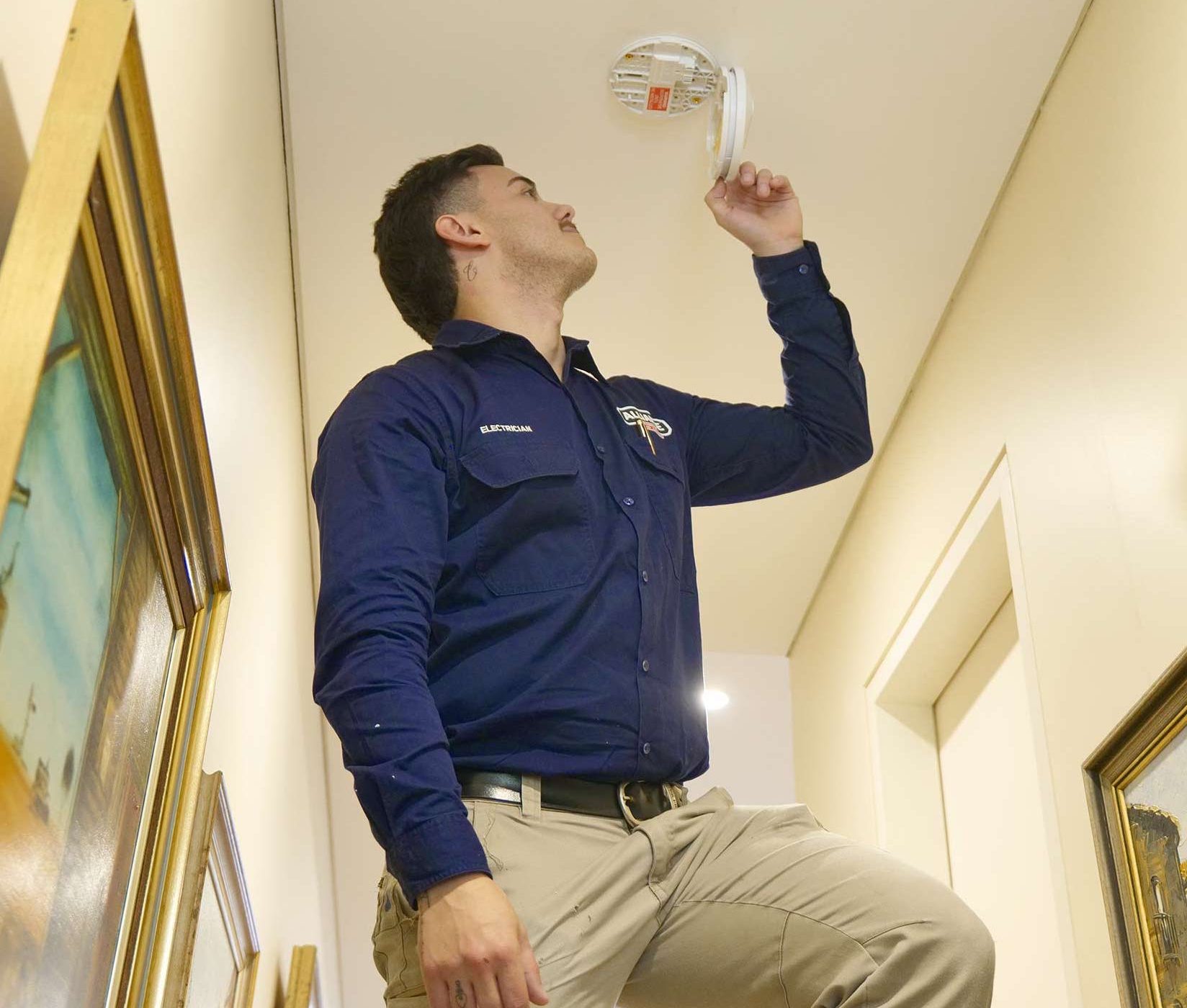
Our fully qualified electricians are trained to safely and efficiently install CO alarms in all the appropriate rooms in your home. While we’re at it, we can also test for carbon monoxide and install a smoke alarm if you need.
Backed by 15 years of experience with the Alliance Climate Control family, we have the know-how to tackle any carbon monoxide questions you may have before installation.
We offer rapid response times, a 100% service satisfaction guarantee, and a lifetime workmanship warranty.
Protect your home by calling Electricians Sydney by Alliance on (02) 8331 6785 or book online.

Senior Electrician

Electrician

Electrician

Electrician

Electrician

Electrician

Electrician

Electrician
Limited time only, offer ends 31/07/2023. Not to be combined with any other offer
Carbon monoxide detectors/alarms are not mandatory in Australia, but government authorities and fire services strongly recommend they be installed in homes. Because CO is undetectable without the appropriate equipment, a leak may occur without you realising and pose a serious risk to your household.
If you want a hardwired carbon monoxide detector installed in your home, you will require a licensed electrician to perform the task.
If a carbon monoxide alarm goes off, you need to evacuate everyone from the property immediately, including pets. Getting outside into the fresh air is the most important course of action.
Once safe, call Triple Zero (000) to contact the Fire Brigade. If anyone is feeling dizzy, nauseous, or loses consciousness, you should also call an ambulance. Do not re-enter the building until it has been cleared by professionals.
For a hardwire CO alarm, you can expect to pay between $50 and $150+, depending on the price of the device and the complexity of the electrical labour.
Generally, carbon monoxide detectors should be placed based on your building’s ducting systems. This will most likely be at knee height for under-floor ducting and eye level on a wall for ceiling ducting.